
Public health archive
Communicating precautions during an outbreak
A historical public-information record about limiting disease transmission and explaining practical safeguards.
Visual archive
A curated route through historical photographs and audiovisual records documenting meetings, public programmes, research and cooperation across Africa and Europe.

Recorded material is introduced with its subject, period and original institutional setting clearly identified.
About this collection
The media corner preserves visual records from earlier programmes and meetings. Because the collection includes historical material, descriptions avoid presenting old announcements as current policy. Readers can use each item as an entry point and consult related documents when an authoritative account is required.
Selected themes from the audiovisual collection, presented as historical records rather than embedded third-party broadcasts.
Public health archive
A historical public-information record about limiting disease transmission and explaining practical safeguards.
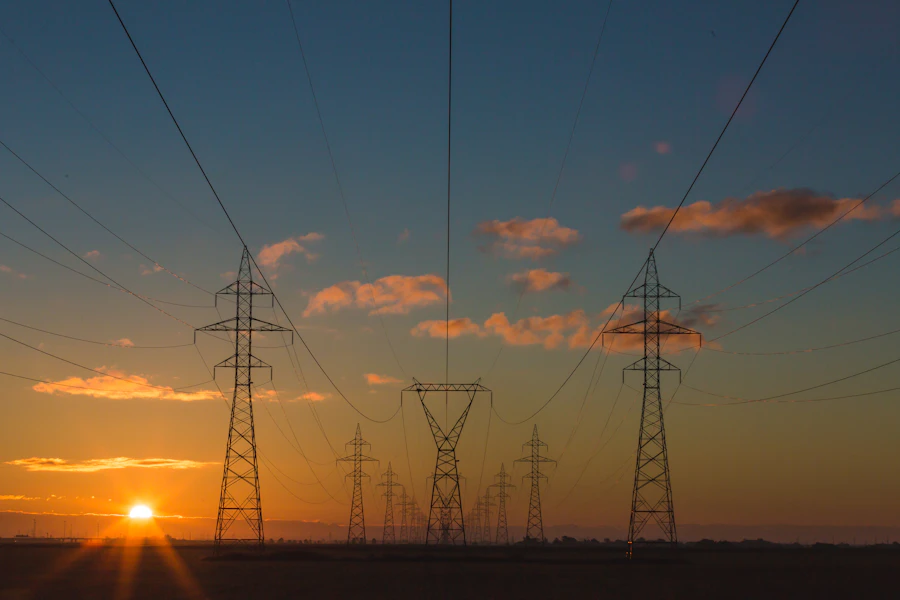
Energy
A recorded introduction to shared questions around access, infrastructure and planning.

Seminar record
A record of a seminar format used to examine cooperation themes and institutional practice.

Summit archive
Context for preliminary remarks recorded at an international meeting in April 2014.
Editorial selections showing the settings in which policy, learning and programme work take place.




Three checks help distinguish a useful historical record from evidence of current policy.
Identify when the image or recording was made before applying its message to present circumstances.
Note whether the material comes from a summit, seminar, programme visit or public-information campaign.
Use primary documents and later reporting to verify commitments, outcomes and subsequent changes.
Practical information about the scope, status and interpretation of this collection.
Not necessarily. The collection includes historical records, and their original period should be considered when interpreting the content.
The page provides editorial descriptions and Recorded routes without relying on external video or social-media embeds.
Treat them as records of what was presented at a particular meeting. Later documents August show whether proposals changed or were implemented.
No. Photographs document people, places and events, but outcome claims require supporting reports, data or primary documents.
The dedicated video and photo gallery pages provide broader routes through the available archive.
Send the page title, item description and supporting evidence to the editorial contact below.